PLAY THERAPY
Healing from the Inside Out, Even for the Littlest Ones
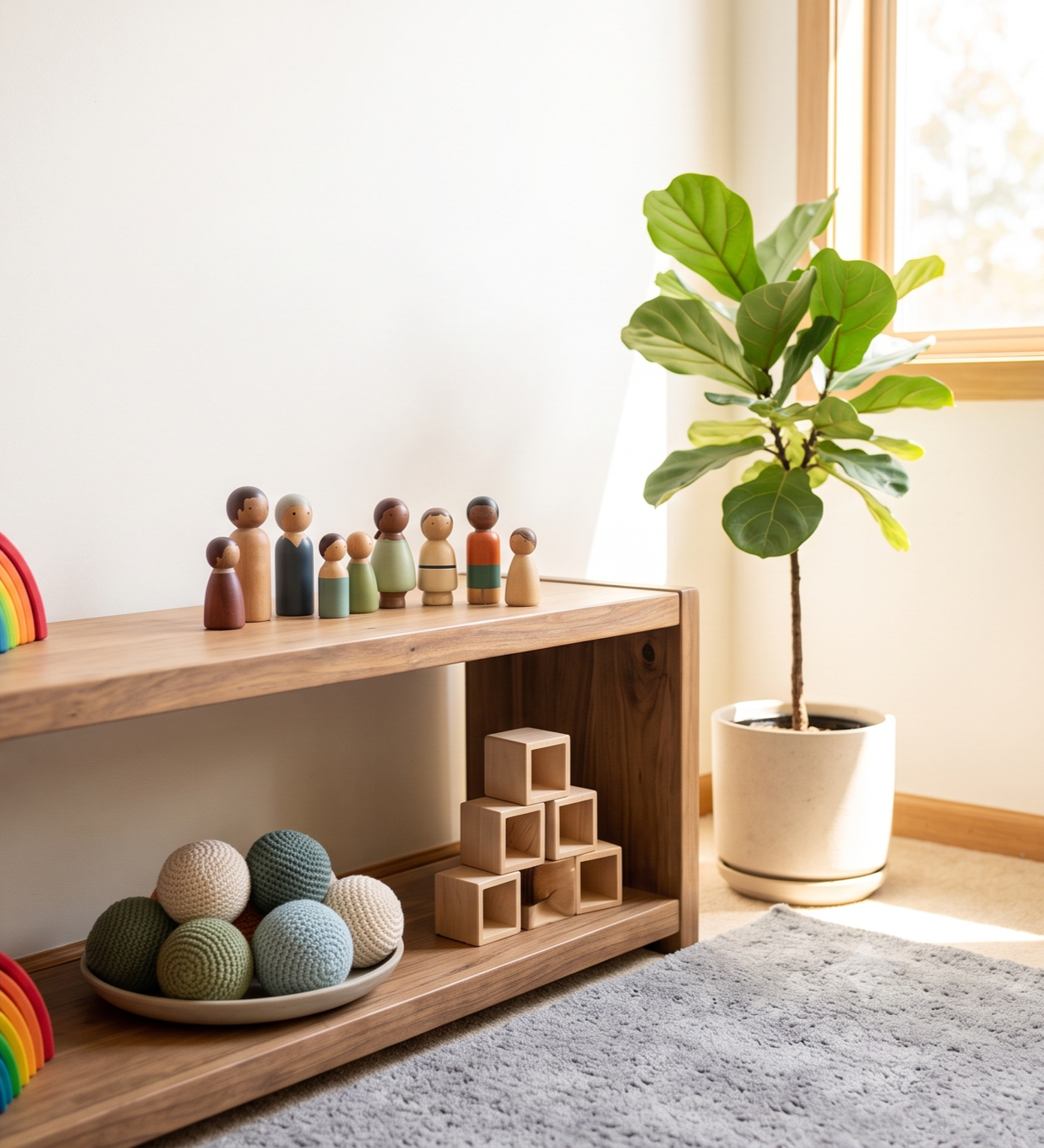
Because children use toys as their words, and play as their language.
It can be incredibly heartbreaking as a parent to watch your child struggle with big emotions, behavior changes, or hard transitions—especially when they can't quite articulate what's wrong. Play therapy is a gentle, evidence-based approach designed specifically for a child’s developmental level. By meeting them in their natural world of play, we help children express their feelings, process hard experiences, and find healthy ways to cope.
You’re noticing changes in your child that leave you feeling stuck or worried:
The struggle with "big emotions": Watching your child experience intense meltdowns, sudden anger, or deep anxiety, and feeling like nothing you say or do seems to comfort or calm them.
Acting out or shutting down: Noticing a shift in their behavior at school or home—whether they are becoming unusually defiant, easily frustrated, or quietly withdrawing into themselves.
Struggling to navigate a hard transition: Seeing your child stumble through a major life change, such as a school shift, a family loss, or a divorce, but they don't have the words to tell you what hurts.
how we can help
A Safe Space for Big Feelings
At Rise and Renew, we know that a child's behavior is often just the surface expression of a deeper emotion. We don’t just focus on stopping the "bad behavior." Instead, we look at the whole picture to understand what your child is trying to tell us. Through guided, therapeutic play, we help them build emotional resilience, improve self-esteem, and learn healthier ways to communicate their needs.
Children process the world differently than adults. In our specialized play therapy spaces, we establish a warm, trusting relationship that allows your child to freely express themselves without pressure.
We utilize play therapy to help children (typically ages 5 to 12) navigate:
Big emotions like anger, frustration, and frequent outbursts.
Anxiety, school stress, and social difficulties.
Life changes like parental separation, divorce, or moving.
Grief, deep loss, or painful life transitions.
Healing from scary experiences or trauma.
Managing symptoms of ADHD/ADD and behavioral challenges.
imagine watching your child…
Understand and name their own big feelings:
Instead of exploding into a meltdown or shutting down completely, your child develops the self-awareness to recognize what they are feeling and express it safely.
Utilize healthy tools to calm themselves down:
Your child learns practical, playful ways to manage anxiety, anger, or frustration, meaning those stressful, unpredictable moments at home or school begin to shrink.
Feel connected, confident, and light again:
You see that original, joyful spark return to your child, and your home transforms from a place of constant tension into a space where you can genuinely enjoy being together again.
I want you to know:
You don’t have to navigate these parenting hurdles alone.
Let us help make this transition as smooth as possible for both you and your child. Reach out today to connect with a therapist.
faqs
Common questions about play therapy
-
It may look like ordinary playtime, but play is purposeful and strategic. Children don’t process their thoughts and feelings the way adults do—toys are their words, and play is their language. Through specific toys, games, and art, we create a safe environment where your child can act out their internal worries, practice problem-solving, and express emotions that they might not have the spoken words for yet.
-
At Rise and Renew, we work with children ages 5 and up. While play therapy is developmentally designed for children generally between the ages of 3 and 12, this isn’t a one-size-fits-all approach. Because traditional talk therapy requires a level of abstract thinking that young minds are still developing, play therapy meets them exactly where they are cognitively and emotionally. However, every child is unique—some children prefer talk therapy earlier than age 12, or benefit most from a beautiful combination of both.
-
You are the most important person in your child's life, so your involvement is crucial to their healing. While the individual play sessions are just for your child to ensure they have a fully confidential, safe space, we will connect regularly for parent consultations. During these check-ins, we will discuss overall themes from their play, share progress, and give you practical tools to use at home to support their growth.
Ready to get started?